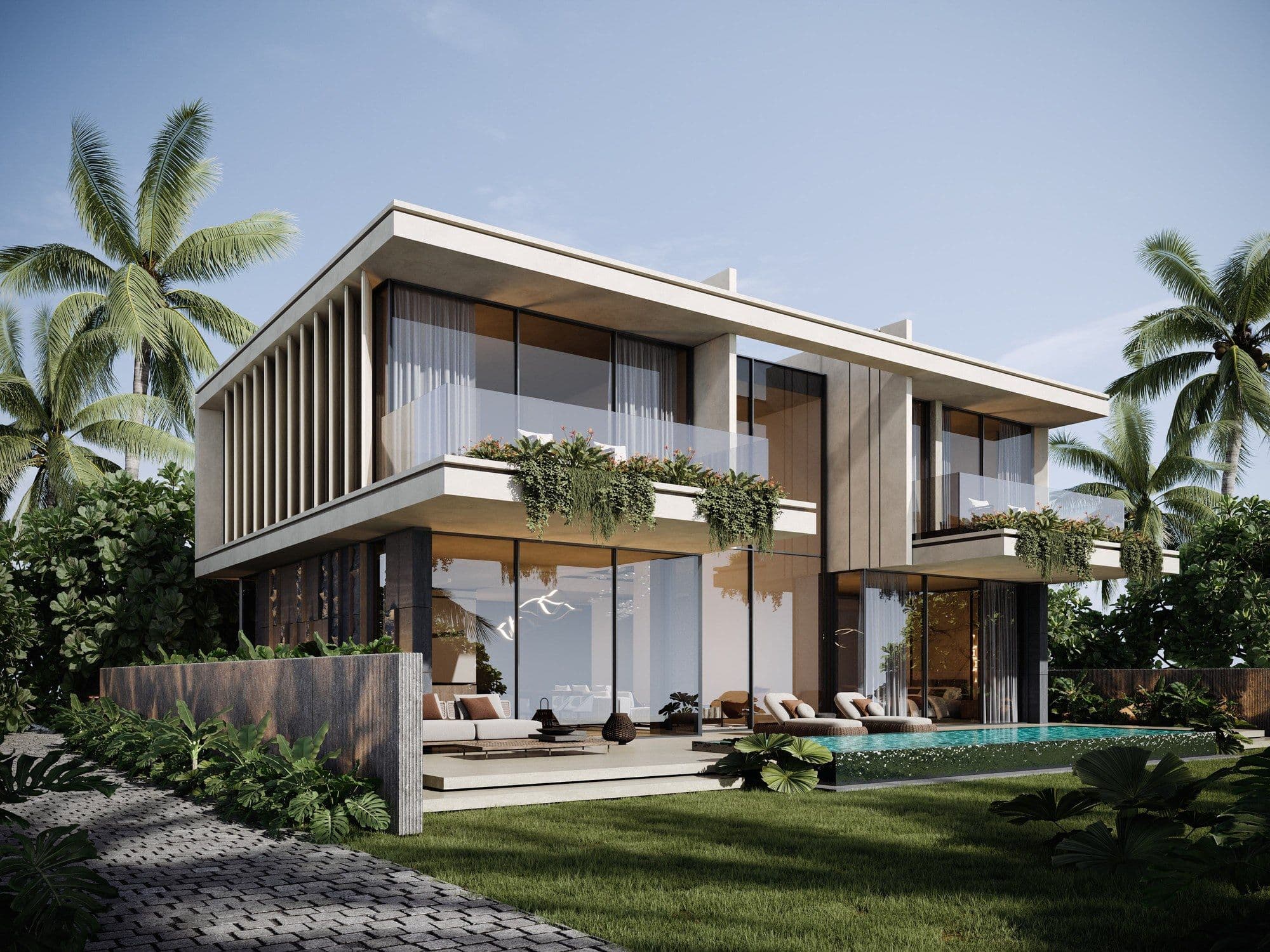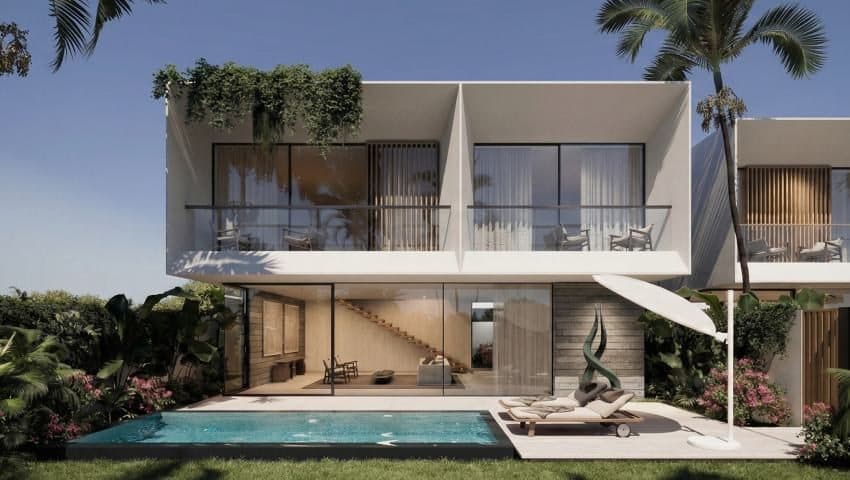

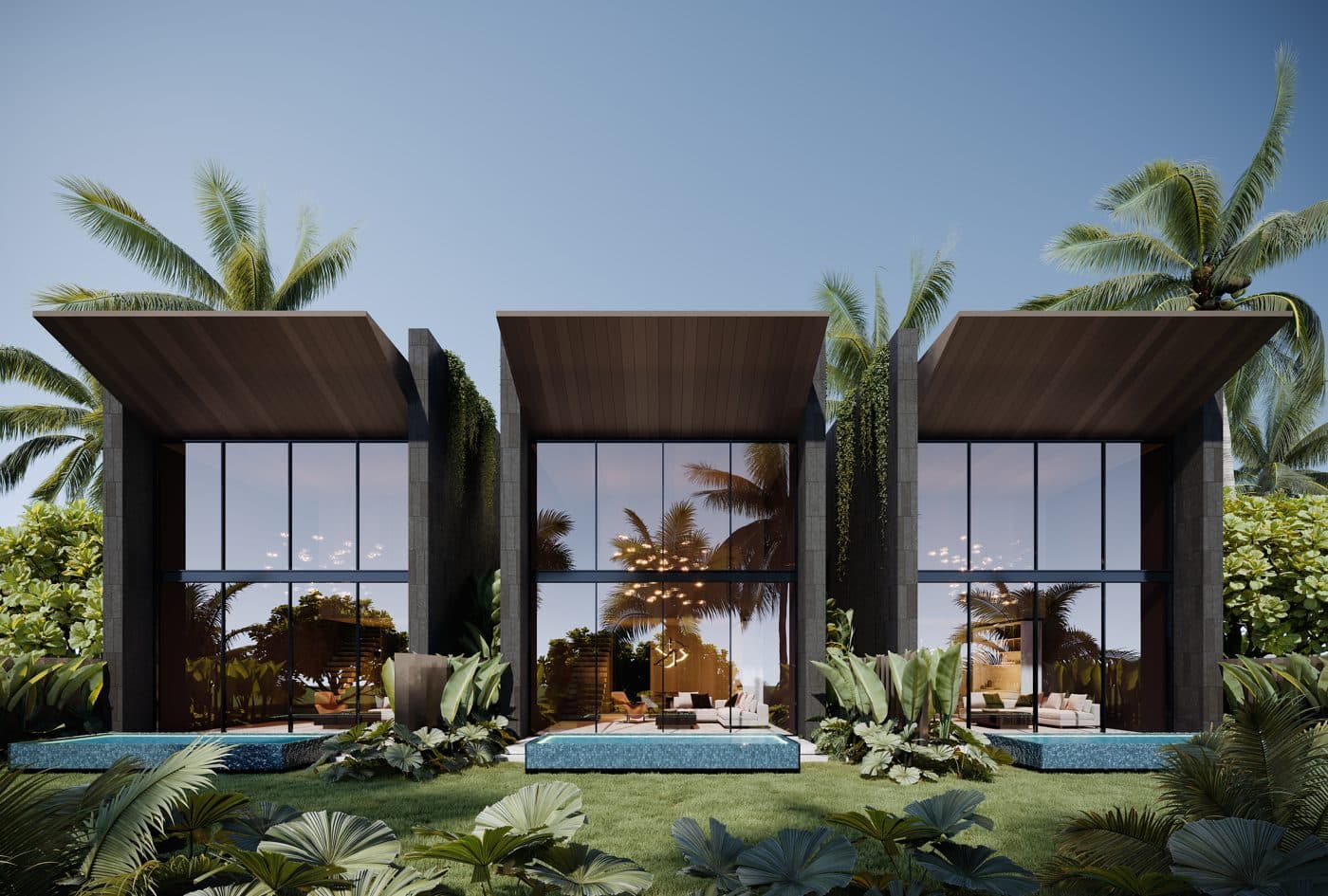
There is a stretch of coast on Bali's southern peninsula where the island's most recognisable hotels line up almost shoulder to shoulder: The Apurva Kempinski, The St. Regis, The Ritz-Carlton, Mulia, Grand Hyatt, Sofitel. It is gated, manicured, and served by its own infrastructure. It is called Nusa Dua, and OceaniQ stands on it.
Addresses here behave differently from the rest of Bali. When the wider market softens, Nusa Dua discounts last and least, because the buyers and guests it attracts are not chasing the cheapest night on the island. They are choosing a specific enclave, and the enclave is finite.
Addresses on this coast don't compete on price. They hold it.
Scarcity you can walk
The ITDC-planned district cannot sprawl; its footprint is fixed, its standards enforced, its beaches maintained. That constraint is the asset. Every new resort that opens on this coast raises the floor for everything already standing on it, including the villa next door.
OceaniQ sits on the first line of Geger Beach, between Mulia and Hilton and a short drive from Kempinski and the Ritz-Carlton. The company you keep on a map is, on this particular coast, a large part of what your address is worth.
Demand that concentrates here
Nearly half of Bali's entire tourist demand concentrates in the Badung regency that contains Nusa Dua, and the district runs at 76% average hotel occupancy, above the island average. An address does not get its value from the villa alone. It gets it from the two kilometres around the villa, and here those two kilometres are among the most valuable on the island.
Map positions are approximate; figures reflect the most recent official data.
See it for yourself
Live availability and prices across three OceaniQ projects in Nusa Dua and Nusa Penida.