
Every villa on Bali is sold with a yield attached to it. Fewer are sold with the arithmetic behind that yield. The difference matters, because on an island where a bamboo villa and a hotel-standard residence can both advertise "20% returns," the number tells you almost nothing until you know what sits underneath it: the occupancy it assumes, the nightly rate it can command, and how long the building will hold that rate before it starts to cost you.
This is the arithmetic for a villa in Nusa Dua, Bali's gated resort enclave, drawn from official statistics and the published rates of the properties around us. We have kept every assumption on the cautious side. A good investment should survive a conservative model, not depend on an optimistic one.
Demand is not a forecast here. It is a record
Bali received 6.95 million foreign visitors in 2025, up 10% year on year and an all-time high for the second consecutive year. That growth is not evenly spread. Almost half of the island's tourist demand concentrates in the Badung regency, where Nusa Dua sits, and Nusa Dua itself recorded 3.8 million visits, an 18.5% rise on the year before.
The figure that does the real work is occupancy. Nusa Dua's hotels run at 76% on average, above the Bali-wide 73%. When a rental model assumes 65–85% occupancy, it is not reaching; it is describing what the district already delivers, every year, through a professionally managed hotel base.
What a night is worth
The second variable is the nightly rate, and Nusa Dua answers it plainly. A private pool villa at the resorts that share this coastline (Sofitel, Kayumanis, Mulia, The Apurva Kempinski, The Ritz-Carlton, The St. Regis) runs from roughly $360 to well beyond $2,000 a night. These are the neighbours whose rates set the ceiling of the market.
A guest here pays $400 to $2,000 for a villa night. The owner of one buys the villa itself, in the district that already charges those rates.
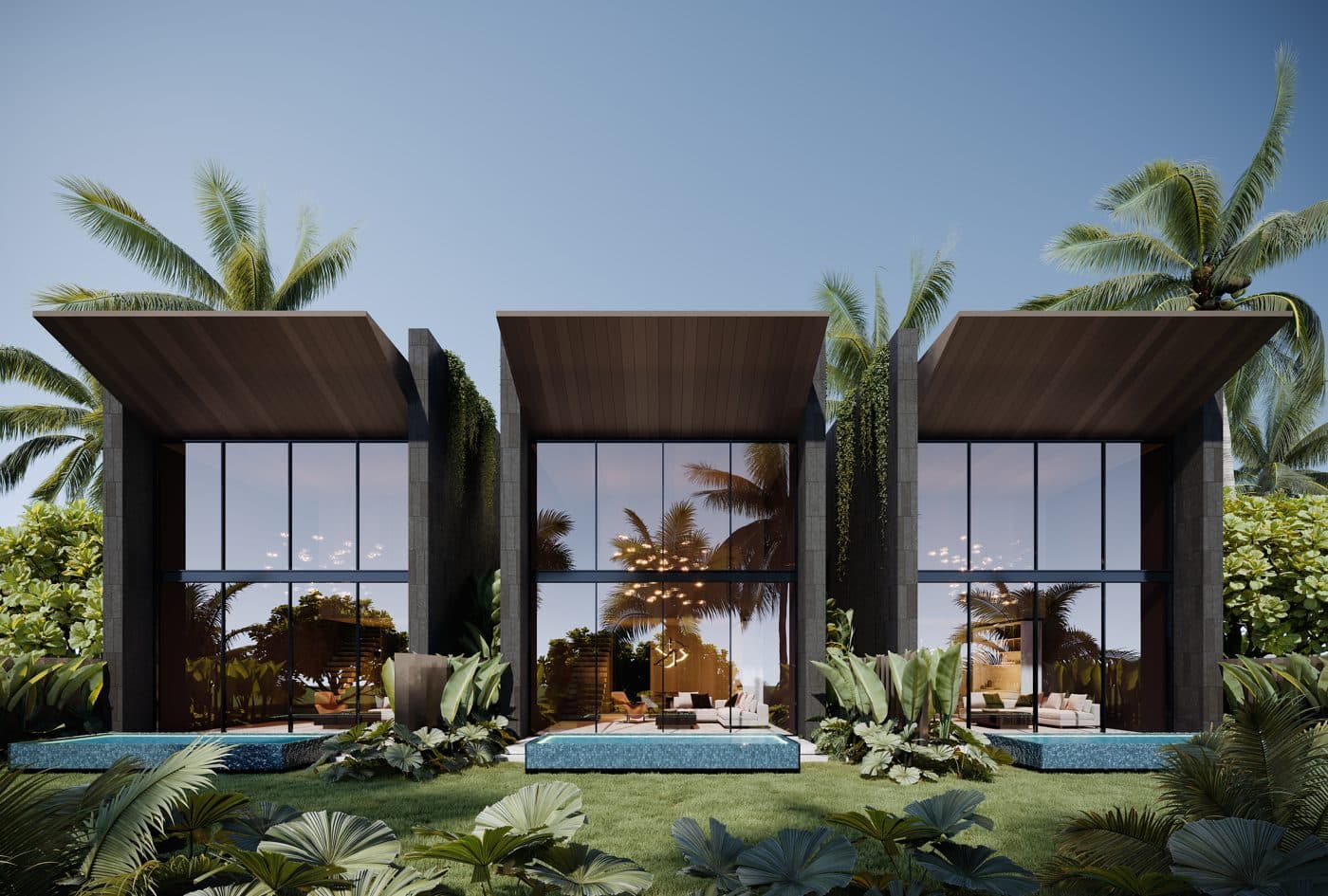
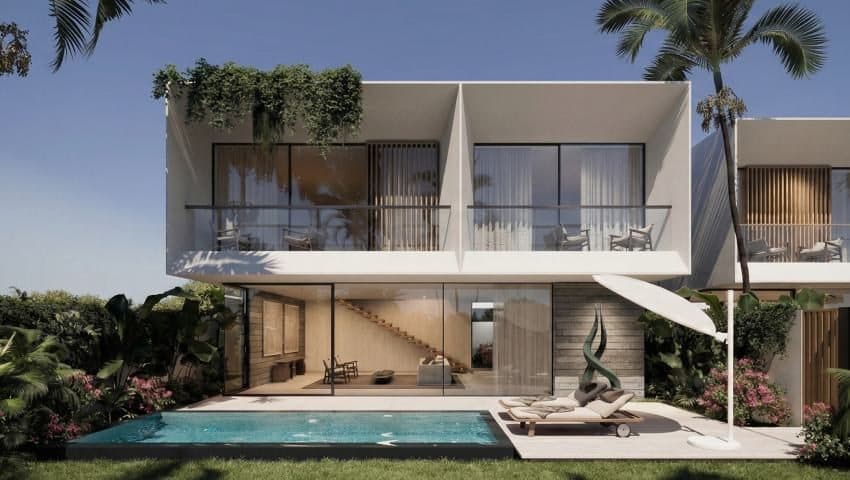
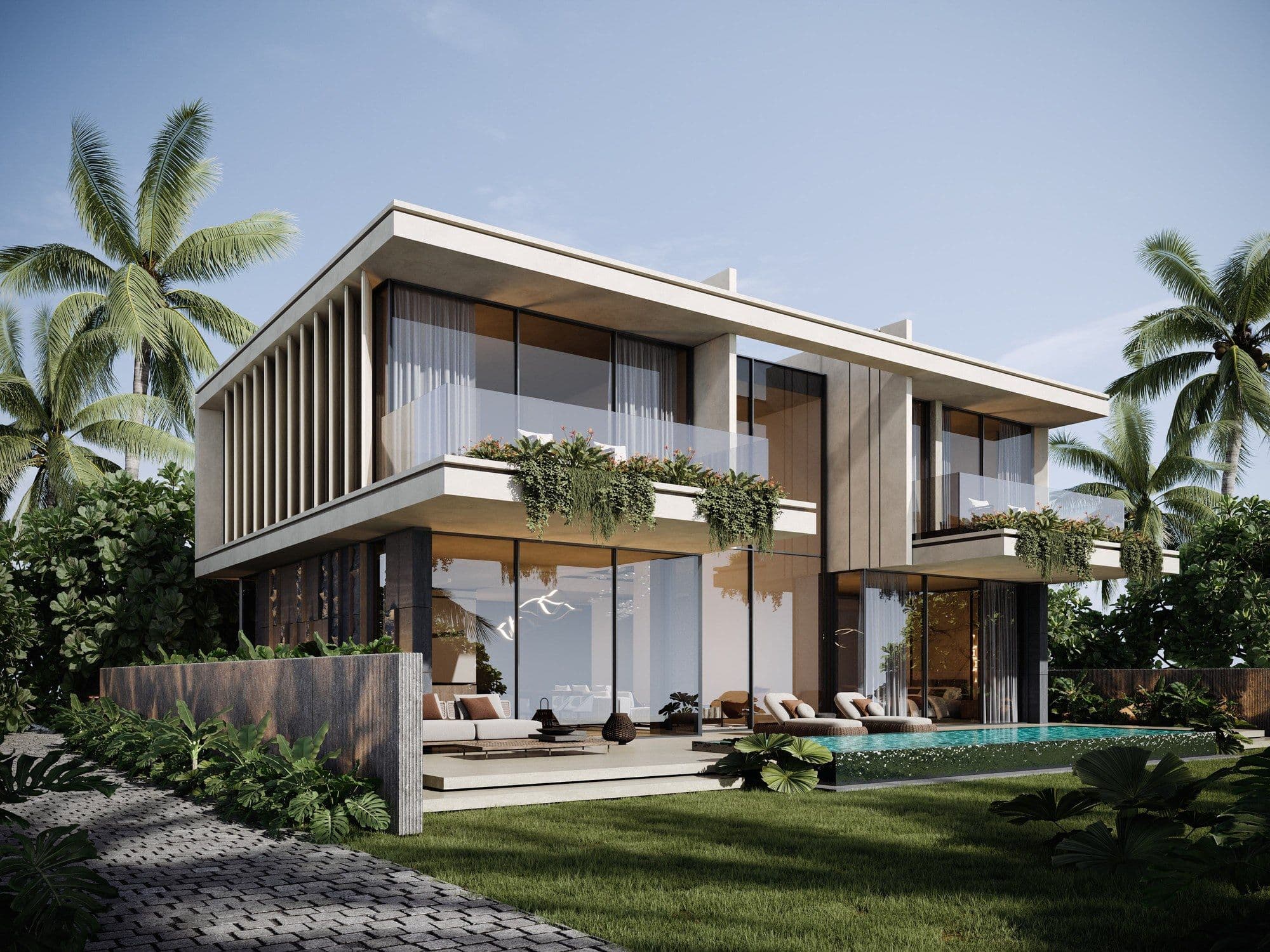
An OceaniQ residence is let as an entire private villa, not a hotel room, at rates the district has already proven it will pay. Against that backdrop the yield stops being a promise and becomes a function of two numbers the market publishes for you: how full the district runs, and what a night costs.
The model, kept conservative
Put those together against an OceaniQ 2 villa, price the rate below the comparable private-pool villas next door, and hold occupancy to Nusa Dua's proven range, and the picture looks like this over a five-year horizon to and beyond completion:
Three things carry those numbers, and none of them is a marketing flourish: a brand-new property, professional hotel management, and a beachfront location within Bali's most established resort district. Those are precisely the attributes the market pays its highest rates for, which is why the rate assumption sits below the neighbours rather than level with them. There is headroom in the model, not risk.
Why quality is the quiet variable
There is a number that never appears in a yield table and decides everything: how long the building holds its rate. A villa built quickly and finished to a brochure begins to slip within a few seasons: a rate cut here, a repair there, a guest review that costs the next ten bookings. A residence engineered to hotel standards and kept by professional management holds its position, and holding position is the whole game over a ten-year horizon.
This is the part of the arithmetic we are most confident about, because it is the part we control. It is also the reason our rate assumption is deliberately modest: we would rather under-promise the yield and over-build the asset than do the reverse.
Rental figures are based on official Nusa Dua occupancy statistics and the market rates of comparable accommodation. They are a projection, not a guarantee of income.
See it for yourself
Live availability and prices across three OceaniQ projects in Nusa Dua and Nusa Penida.